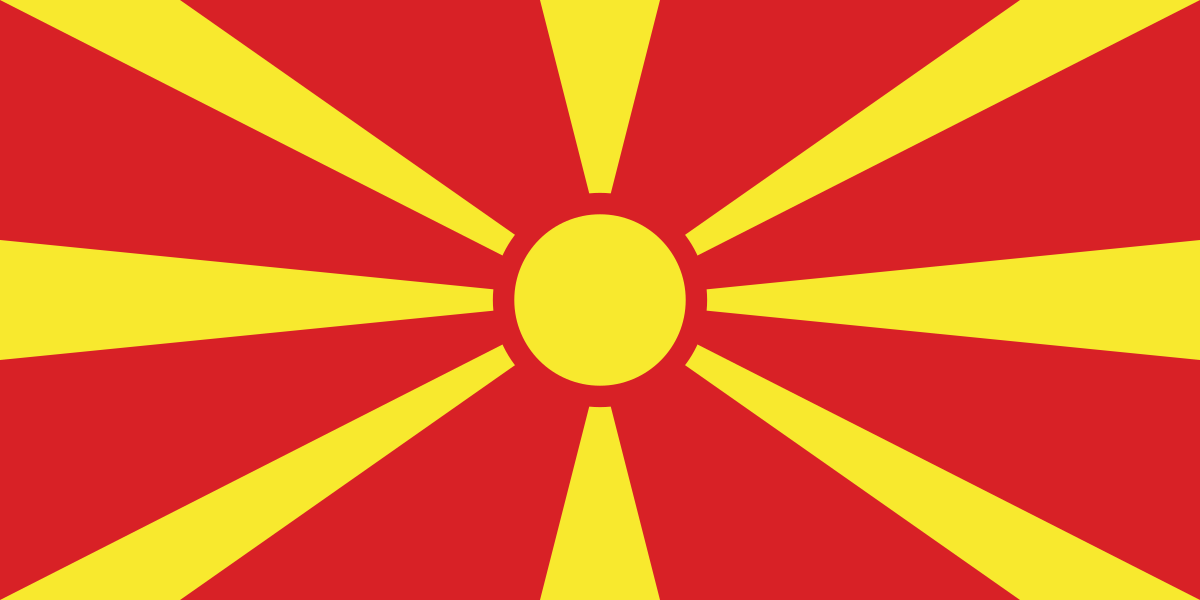
North Macedonia
Republic of North Macedonia
Capital
Skopje
Region
Europe
Population
1,822,612
Area (km²)
25,713
North Macedonia, a landlocked Balkan nation in southeastern Europe, covers 25,713 km² and is home to about 1.8 million people, with Skopje serving as its vibrant capital blending Ottoman heritage and modern vibes. Once part of Yugoslavia, it gained independence in 1991 and boasts a diverse cultural tapestry influenced by Albanian, Turkish, and Slavic roots. While GDP data isn't specified here, the country is known for its stunning lakes, mountains, and growing tourism scene.
Key Insights
North Macedonia faces significant economic challenges characterized by high inflation (9.362%) coupled with modest GDP growth (2.555%). This combination suggests potential stagflationary pressures, eroding purchasing power despite economic expansion, which is a common issue in post-pandemic Southeast European economies.
The extremely low fertility rate of 1.50 is significantly below the replacement level (2.1), indicating a long-term population decline. Combined with the small current population, this suggests a high risk of demographic aging and potential brain drain, as younger generations seek opportunities abroad.
A high percentage of the population (62.252%) resides in urban areas, which is typical of developed European nations but notable for a country with a relatively small total population base. This concentration suggests that resources and economic activity are heavily centralized, likely around the capital, Skopje.
North Macedonia reports an exceptionally low infant mortality rate of 2.800 per 1,000 live births. This figure is competitive with many high-income EU countries and suggests a robust, well-functioning maternal and child healthcare system, standing out as a significant achievement in public health.
GDP (Current US$)
$15.86B
Year: 2023
GDP Per Capita
$8,674.36
GDP Growth (%)
2.56%
Inflation (%)
9.36%
Unemployment (%)
13.17%
Debt to GDP (%)
N/A%
Source: World Bank • Last updated: 12/24/2025
Historical Trends & Data Visualizations
- GDP Growth (%)
- Population
- Life Expectancy (years)
- Renewable Energy (%)
- GDP Per Capita ($)
Share This Country
News
Real Estate
Events
Government
Travel & Tourism
External References & Resources
Wikipedia
Comprehensive encyclopedia article
Grokipedia
AI-powered encyclopedia search
Google Search
Latest news and information
Google News
Latest news coverage for North Macedonia
CIA World Factbook
Official intelligence data
BBC News
Trusted news and analysis
UN Data
Official United Nations statistics
World Bank Data
Economic and development indicators