Bulgaria
Republic of Bulgaria
Country have opposed or blocked EU plans to use or confiscate frozen Russian sovereign assets (primarily held in Belgium's Euroclear) for financing Ukraine's defense, reconstruction, or reparations and/or maintain indefinite exemptions for Russian oil imports via the Druzhba pipeline (with some ongoing gas/nuclear ties), and others sustain limited permitted trade flows amid overall ~80-90% reduction in EU-Russia commerce since 2022 (sources: Reuters, Politico, The Guardian, Responsible Statecraft, Al Jazeera, December 2025 reports).

Capital
Sofia
Region
Europe
Population
6,437,360
Area (km²)
110,879
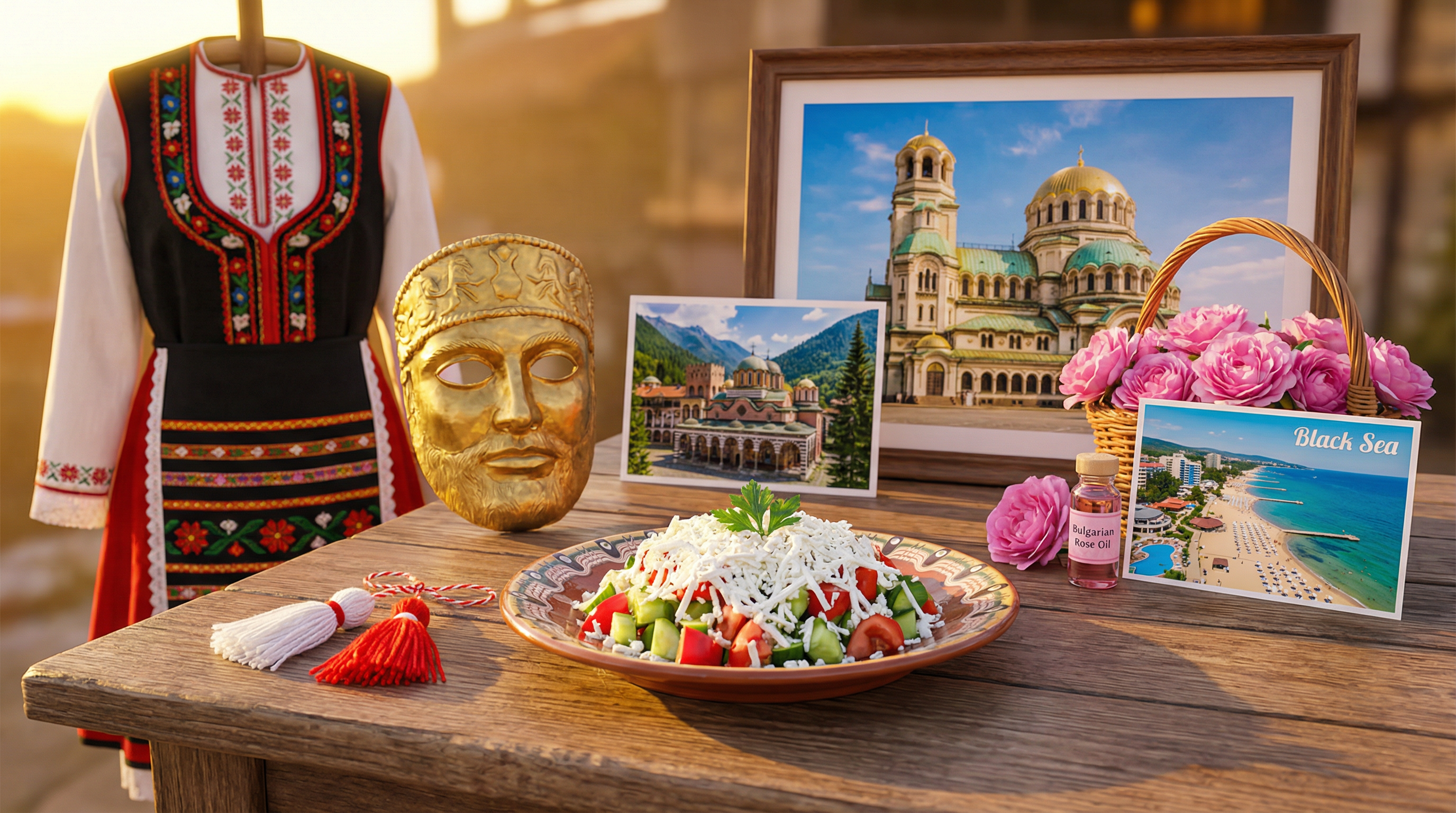
Bulgaria, a southeastern European nation with a population of about 6.4 million, spans 110,879 km² and boasts Sofia as its vibrant capital city, blending ancient history with modern flair. While GDP data is unavailable here, the country is renowned for its diverse landscapes—from the Black Sea coast to the Balkan Mountains—and rich cultural heritage, including Thracian ruins and Orthodox monasteries. As an EU member since 2007, Bulgaria offers a mix of affordable living, rose oil production, and emerging tech sectors, making it an intriguing spot for history buffs and adventurers alike.
Key Insights
A significant majority of Bulgarians reside in urban areas, with 73.732% of the population living in cities. This high urbanization rate suggests concentrated economic activity and services, but also implies challenges related to rural depopulation and managing urban growth.
Bulgaria maintains a substantial proportion of its territory under forest cover, reported at 36.220%. This high percentage contributes significantly to biodiversity and carbon sequestration, positioning Bulgaria favorably in terms of natural capital compared to many other European nations.
Despite a moderate GDP per capita for the European region, Bulgaria demonstrates full coverage in basic infrastructure access. The country reports 100% access to electricity, indicating successful nationwide infrastructure development and distribution, a key characteristic of developed nations.
Bulgaria's population is relatively small (~6.44 million) and faces significant demographic decline. While the fertility rate (1.81) is below the replacement level (2.1), the primary driver of the population drop is likely high emigration, which poses long-term challenges for the labor market and social services.
GDP (Current US$)
$102.20B
Year: 2023
GDP Per Capita
$15,853.21
GDP Growth (%)
1.68%
Inflation (%)
9.44%
Unemployment (%)
4.32%
Debt to GDP (%)
N/A%
Source: World Bank • Last updated: 12/24/2025
Historical Trends & Data Visualizations
- GDP Growth (%)
- Population
- Life Expectancy (years)
- Renewable Energy (%)
- GDP Per Capita ($)
Share This Country
News
Real Estate
Events
Government
Travel & Tourism
External References & Resources
Wikipedia
Comprehensive encyclopedia article
Grokipedia
AI-powered encyclopedia search
Google Search
Latest news and information
Google News
Latest news coverage for Bulgaria
CIA World Factbook
Official intelligence data
BBC News
Trusted news and analysis
UN Data
Official United Nations statistics
World Bank Data
Economic and development indicators